Understanding the Link Between Health and Medicine
Health and medicine are closely connected. Good health depends on many daily habits, such as eating well, staying active, and getting enough rest. Medicine supports these habits by helping to prevent illness, treat disease, and manage health problems. Together, they play an important role in helping people live longer and healthier lives.
Health is not only about the absence of illness. It also includes physical strength, mental balance, and emotional wellbeing. When people take care of their bodies and minds, they reduce the risk of many diseases. Medicine then acts as a support system when problems appear. Doctors, nurses, and healthcare workers use medical knowledge to diagnose conditions and offer treatments that restore balance to the body.
Modern medicine has improved greatly over time. Vaccines, medicines, and medical tests help detect diseases early and treat them more effectively. However, medical care works best when combined with healthy living. A balanced lifestyle helps the body function properly and can prevent many health issues before they require medical treatment.
Understanding this relationship helps people make better choices about their health. When individuals see medicine as part of a wider approach to wellbeing, they are more likely to adopt habits that support long-term health.
The Role of Prevention in Staying Healthy
Prevention is one of the most important ways to stay well. Many common illnesses can be avoided through simple daily actions. Eating a balanced diet, exercising regularly, and getting enough sleep can strengthen the body and improve overall health.
Regular health check-ups are also an important part of prevention. Medical professionals can identify early signs of illness before symptoms become serious. Early detection allows treatment to begin sooner, which often leads to better outcomes. For example, routine screenings can detect conditions such as high blood pressure or diabetes before they cause long-term damage.
Vaccination is another powerful preventive tool. Vaccines train the immune system to recognise harmful viruses and bacteria. This helps the body respond quickly if it encounters these threats in the future. As a result, many serious diseases have become less common in modern societies.
Preventive care also includes mental health support. Stress, anxiety, and emotional strain can affect physical health over time. Taking time to relax, talk to supportive people, and maintain a balanced routine can protect mental wellbeing.
By focusing on prevention, individuals reduce the need for complex treatments later. This approach highlights how health and medicine work together to protect wellbeing before serious problems arise.
How Medicine Supports Recovery and Treatment
Even with healthy habits, illness can still occur. This is where medicine plays a vital role. Medical treatments help control infections, reduce symptoms, and support the body’s natural healing process.
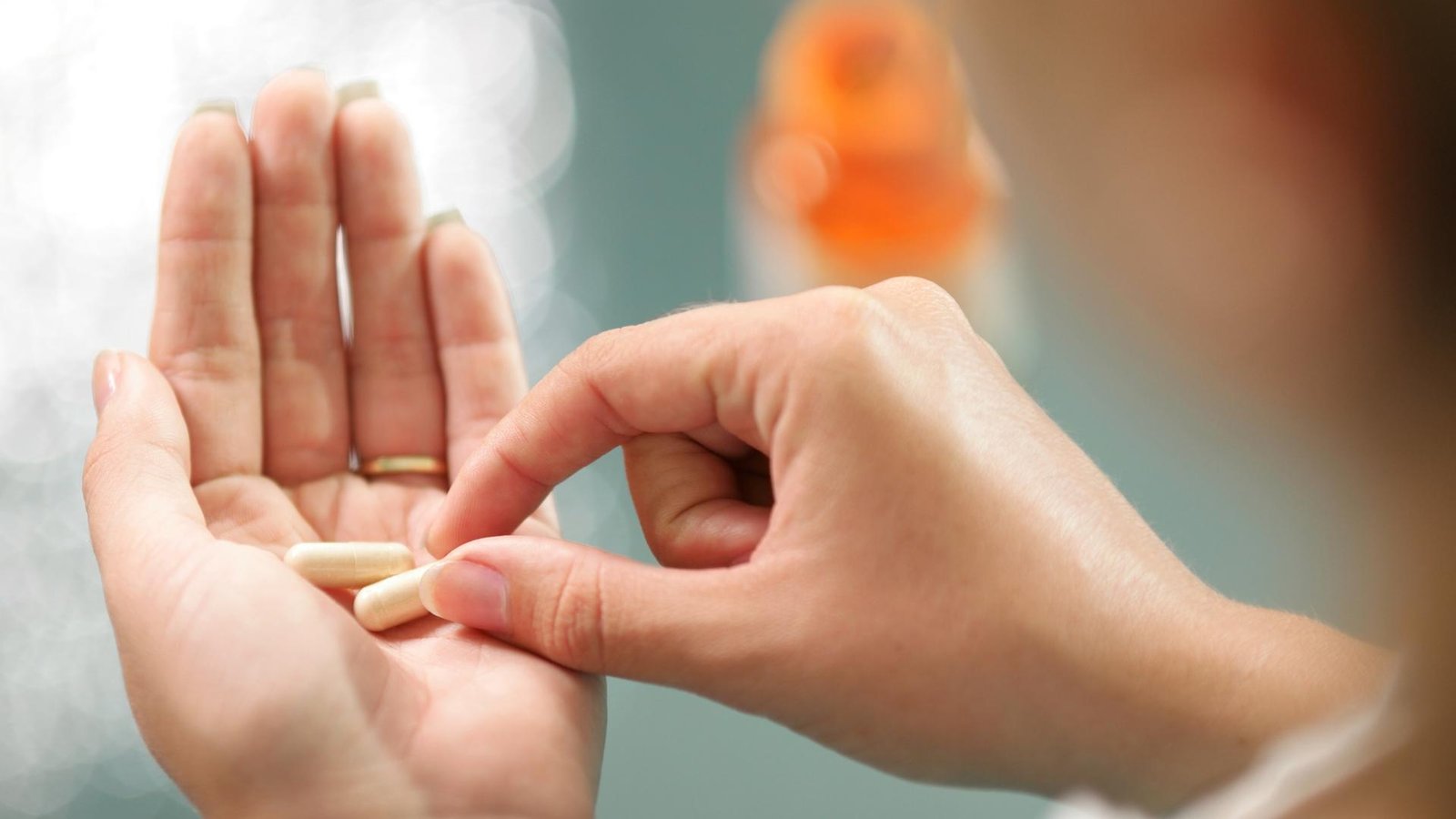
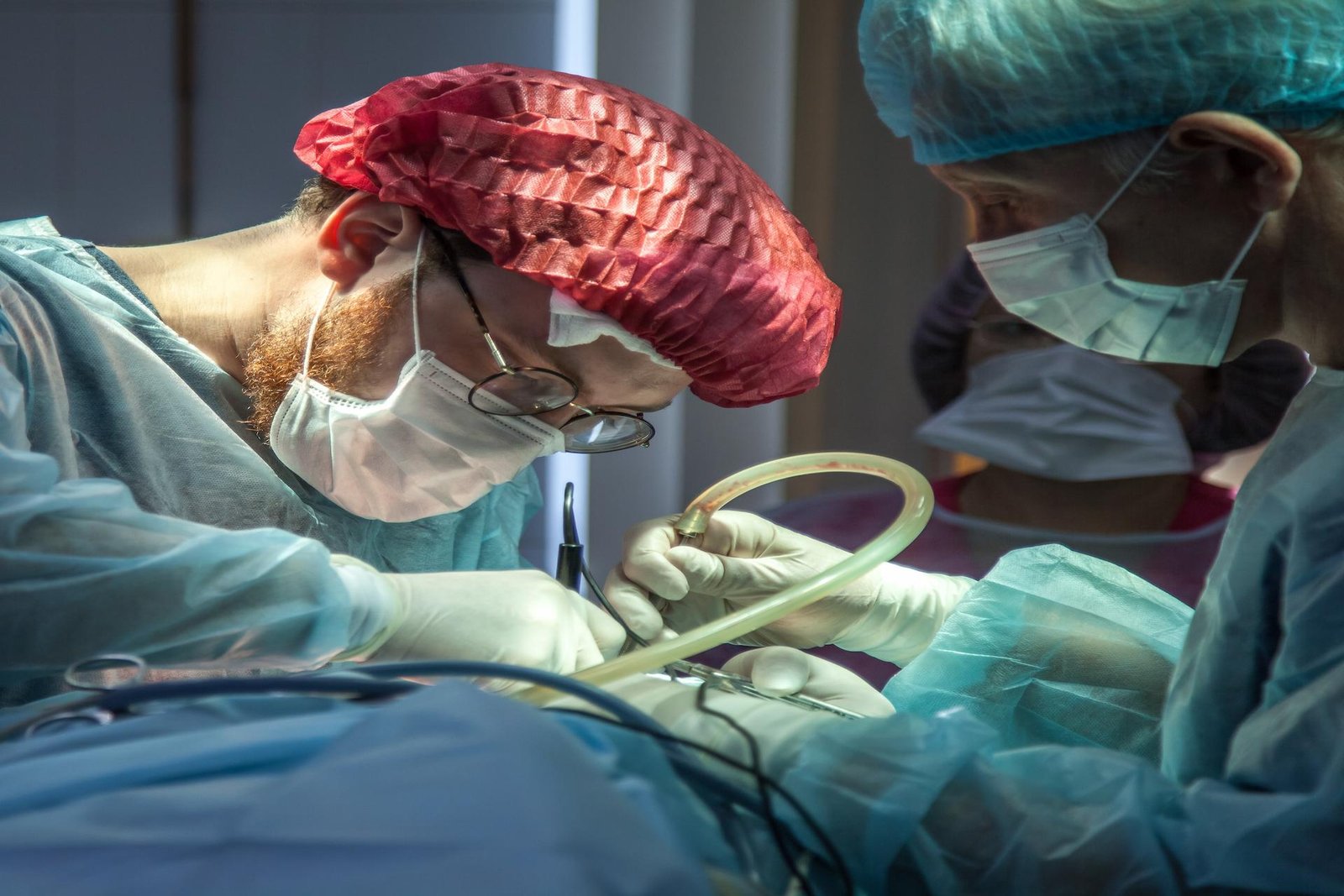
Doctors rely on scientific research and medical training to choose the right treatment for each condition. Medicines such as antibiotics, pain relievers, and other therapies help patients recover from illness. In some cases, surgery may be required to repair injuries or remove harmful tissue.
Medical technology has also improved the way diseases are diagnosed. Imaging tools and laboratory tests allow doctors to see what is happening inside the body. Accurate diagnosis makes treatment safer and more effective.
However, medicine is not only about treating illness. It also helps people manage long-term conditions. Diseases such as asthma, diabetes, or heart problems may require ongoing medical care. With the right treatment plan, many people can continue to live active and fulfilling lives.
Patients also play an important role in recovery. Following medical advice, taking prescribed medicines correctly, and attending follow-up appointments all help ensure successful treatment. When patients and healthcare professionals work together, the chances of recovery often improve.
Building a Balanced Approach to Long-Term Wellbeing
Long-term wellbeing depends on a balanced approach that combines healthy living with proper medical care. Neither element works fully on its own. Instead, they support each other in maintaining overall health.
Healthy routines form the foundation of this balance. Regular physical activity keeps the body strong and improves heart health. Nutritious food provides essential vitamins and minerals that support the immune system. Adequate sleep allows the body to repair itself and maintain energy levels.
At the same time, access to medical advice and treatment remains important. When symptoms appear, seeking medical help early can prevent complications. Healthcare professionals can guide patients in making safe choices about diet, exercise, and medication.
Education also plays a key role. When people understand how their bodies work, they become more aware of warning signs and health risks. This knowledge encourages responsible decisions about lifestyle and medical care.
In the end, staying well is a shared effort between individuals and the healthcare system. By recognising the connection between health and medicine, people can take practical steps to protect their wellbeing. Small daily habits, combined with reliable medical support, create a strong path towards a healthier and more balanced life.