
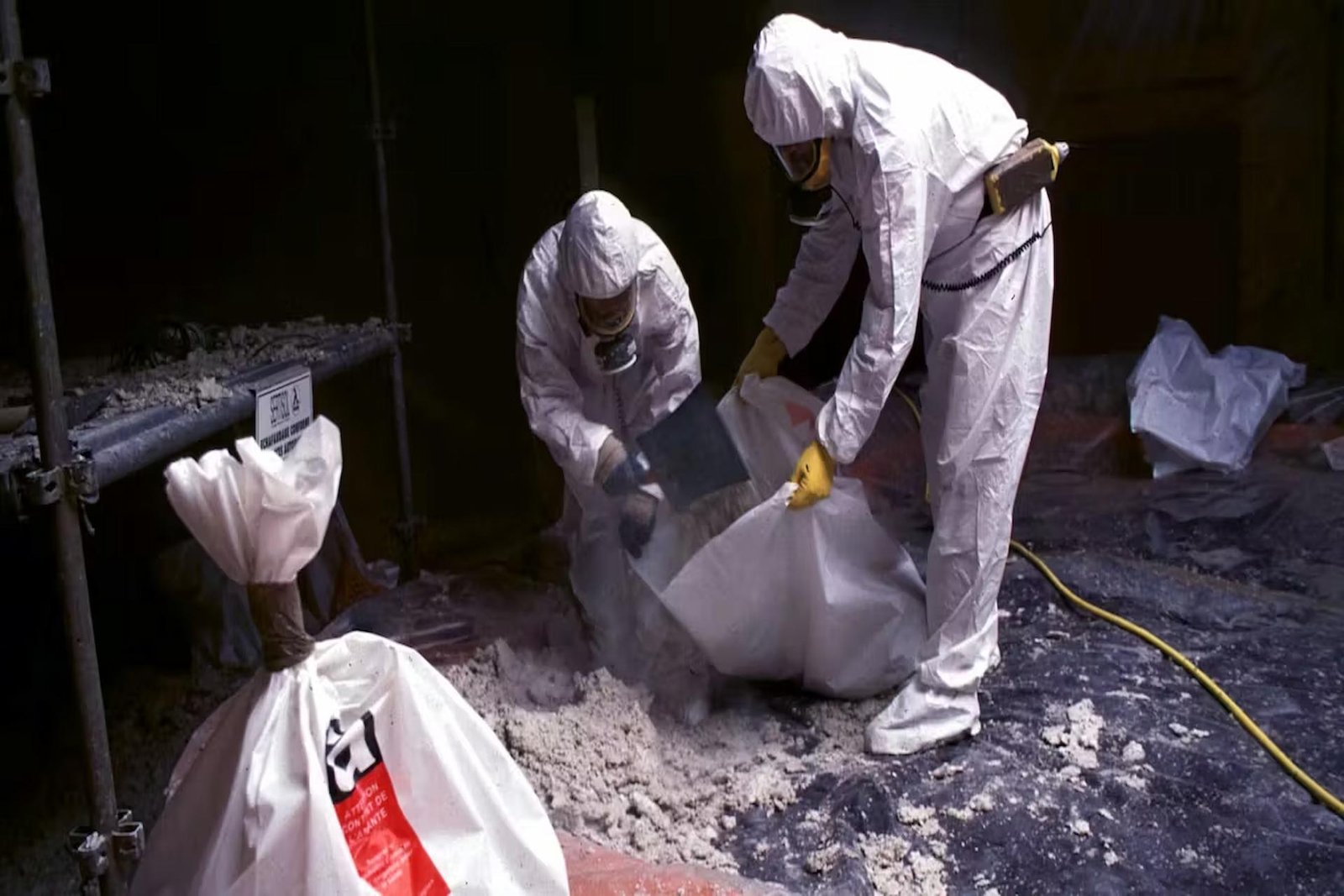
Asbestos is something that many people have heard of, but few truly understand. It has no smell, no colour that clearly identifies it, and it doesn’t cause immediate symptoms when you’re exposed. In many buildings, it has remained unnoticed for decades, which is why it’s often described as a silent health risk.
Understanding the facts about asbestos can help you to make informed decisions about your property without unnecessary alarm. We spoke to some experts in asbestos removal Basildon, and created this useful blog which covers what asbestos is, why it was used so widely, where it may still be found, and what practical steps property owners can take to manage or remove it safely.
What Is Asbestos and Why Was It Used?
Asbestos is a naturally occurring mineral composed of microscopic fibres that are both strong and highly resistant to heat. These fibres could be mixed into cement, insulation, coatings and other building products, creating materials that were lightweight, durable and fire resistant.
For decades, asbestos was viewed as a reliable solution in construction, particularly in commercial and industrial settings where fire protection and insulation were priorities. Its widespread use increased significantly from the 1950s through to the late 1990s, before tighter regulations and eventual bans were introduced once the health risks became clear.
It was commonly used because it offered:
- Effective fire protection in buildings
- Added strength and durability to construction materials
- Thermal and sound insulation properties
- A practical, low-cost solution at scale
As a result, many properties built or refurbished before 2000 may still contain asbestos containing materials (ACMs), often hidden within structural elements or finishing materials.
Where Asbestos Is Commonly Found
Asbestos was incorporated into a wide range of building products, and many remain in place today. In many cases, these materials are stable and pose little immediate risk if left undisturbed and in good condition.
Typical locations include:
- Pipe insulation and boiler lagging
- Textured wall and ceiling coatings
- Vinyl floor tiles and adhesives
- Cement roofing sheets on garages and outbuildings
- Soffits, panels and partition walls
Because asbestos containing materials often look very similar to modern, non-asbestos alternatives, it is rarely possible to confirm their presence through visual inspection alone. Materials such as textured coatings, cement sheets or insulation boards can appear identical to safer replacements. For that reason, professional sampling and laboratory analysis are the only reliable ways to determine whether asbestos is present and to assess the level of risk accurately.
Understanding the Health Risks of Asbestos
Asbestos-related health risks arise when microscopic fibres become airborne and are inhaled. This typically happens when asbestos containing materials are cut, drilled, damaged, or disturbed during renovation or demolition work. In some cases, ageing or deteriorating materials can also release fibres over time if they are not properly maintained.
Long-term or repeated exposure to airborne asbestos fibres has been linked to serious conditions, including asbestosis, lung cancer and mesothelioma. These illnesses usually develop many years after sustained exposure, most commonly in occupational environments where workers handled asbestos regularly and without modern safety controls.
It’s important to keep this risk in context. Living or working in a building that contains intact asbestos materials does not automatically mean you are in immediate danger. The most effective way to minimise risk is to avoid disturbing suspect materials and to seek professional advice when refurbishment, maintenance or removal is planned. By managing asbestos responsibly, exposure can be significantly reduced and safely controlled.
Managing and Removing Asbestos Safely
If asbestos is identified in a property, the next step is not always immediate removal. In some situations, materials that are in good condition can be safely managed in place and monitored over time. A professional survey helps determine the most appropriate course of action.
When removal is required, such as during refurbishment, if materials are damaged, or if the risk of disturbance is high, it should always be handled by trained and qualified specialists. Professional asbestos removal services follow strict procedures designed to:
- Contain and control fibre release
- Protect occupants and workers
- Comply with legal and regulatory requirements
- Dispose of hazardous waste safely
Attempting to remove asbestos without the proper controls can increase risk rather than reduce it. Engaging experienced professionals ensures that the process is carefully planned, safely executed and fully compliant with current regulations.
For property owners and managers, a calm and informed approach is the most effective one. By arranging appropriate surveys, seeking expert advice and using accredited asbestos removal services, you can protect both people and property without unnecessary fear or disruption.